Social Anxiety: Practical Ways to Feel More at Ease
By James Miller · June 21, 2026 · 9 min read

Simple preparation, grounding, realistic expectations, and gradual practice can make social situations feel more manageable.
Understanding Social Anxiety Without Judging Yourself
Social anxiety can involve strong worry about being watched, judged, embarrassed, or rejected in social settings. It may arise before a work meeting, party, date, class, phone call, or everyday conversation. Common experiences include rehearsing what to say, noticing a racing heart, avoiding eye contact, or reviewing an interaction afterward. Occasional nervousness is a normal part of life, and not every uncomfortable moment indicates a mental health condition. What matters is the pattern: how often the worry appears, how intense it feels, and whether it limits activities, relationships, work, or education.
A useful starting point is replacing self-criticism with neutral observation. Instead of saying, “I am terrible with people,” try, “I notice that I feel tense when I expect attention.” This wording separates you from the feeling and makes room for a practical response. Keep brief notes about situations, thoughts, physical sensations, and what helped. The goal is not to monitor yourself constantly or eliminate every sign of nervousness. It is to identify patterns, recognize that discomfort changes over time, and choose manageable actions even when confidence is incomplete.
Prepare for Social Situations Without Over-Rehearsing
Preparation can reduce uncertainty, but excessive rehearsal may keep attention fixed on everything that could go wrong. Before an event, identify a simple purpose that is within your control, such as asking one colleague a question, staying for 30 minutes, or introducing yourself to the host. Check practical details including the location, start time, clothing, transportation, and an appropriate arrival window. If conversation feels difficult, prepare two or three open questions about the setting or a shared interest rather than scripting an entire exchange.
Create a short pre-event routine that supports steadiness. Eat normally, allow enough travel time, and limit extra caffeine or alcohol if either tends to increase physical tension or reduce sound judgment. Take several slow breaths with a comfortable, slightly longer exhale, then name one realistic expectation: “I can feel nervous and still participate.” Avoid making comfort the condition for attending. A more workable aim is to show up, remain curious, and let the experience unfold without demanding a flawless performance.
Use Grounding and Attention Skills in the Moment
Social anxiety often pulls attention inward toward facial expressions, posture, voice, or imagined mistakes. Gently redirecting attention outward can interrupt this cycle. Notice the other person’s words, the color of the room, the feeling of your feet on the floor, or three sounds nearby. You do not need to force anxious thoughts away. Acknowledge them as mental events—“There is the thought that I sound awkward”—and return to the conversation or activity in front of you.
Breathing can also provide a quiet anchor. Let your shoulders soften and breathe at an easy pace, without taking unusually deep breaths that could make you lightheaded. If your mind goes blank, pause, sip water, or say, “Give me a moment to think.” Most conversations include pauses, corrections, and moments of uncertainty. Aim to listen rather than plan your next sentence perfectly. Asking a follow-up question or reflecting part of what someone said can keep the exchange moving while shifting attention away from self-evaluation.
Build Confidence Through Gradual, Repeatable Practice
Avoidance may bring short-term relief, but it can reinforce the belief that a social situation is unmanageable. Gradual practice offers a more measured approach. List situations from mildly uncomfortable to very difficult, then begin with a step that feels challenging but possible. Examples might include greeting a neighbor, asking a store employee a question, contributing one point in a small meeting, or attending part of a gathering. Repeat the step enough times to gather experience before moving toward a harder one.
Measure progress by participation, not by whether nervousness disappeared. You might record what you predicted, what actually happened, and what you learned. If an attempt feels overwhelming, reduce the difficulty rather than abandoning the process. Bring a supportive friend, shorten the visit, or practice at a quieter time. Gradual practice is not about forcing yourself into distress or creating a dramatic test of courage. It is about developing flexibility through small, consistent actions while respecting personal boundaries, safety, culture, and accessibility needs.
Respond Constructively After a Social Interaction
After a social event, it is common to replay details and focus on perceived errors. This “post-event review” can make an ordinary interaction seem more negative than it was. Set a brief limit for reflection, such as five minutes, and use balanced questions: What went adequately? What evidence supports my concern? What evidence does not? How would I describe the same moment if it happened to a friend? Then shift to another activity that requires attention, such as cooking, walking, or completing a routine task.
Try not to seek repeated reassurance from others, because temporary relief can strengthen the habit of doubting your own judgment. Instead, write down one fact, one kind interpretation, and one useful adjustment for next time. For example: “I lost my train of thought, the conversation continued, and I can slow down when answering.” Also recognize the effort involved in attending or speaking. A difficult interaction does not define your social ability, and a neutral response from someone else does not automatically signal rejection.
Where a Botanical Supplement May Fit
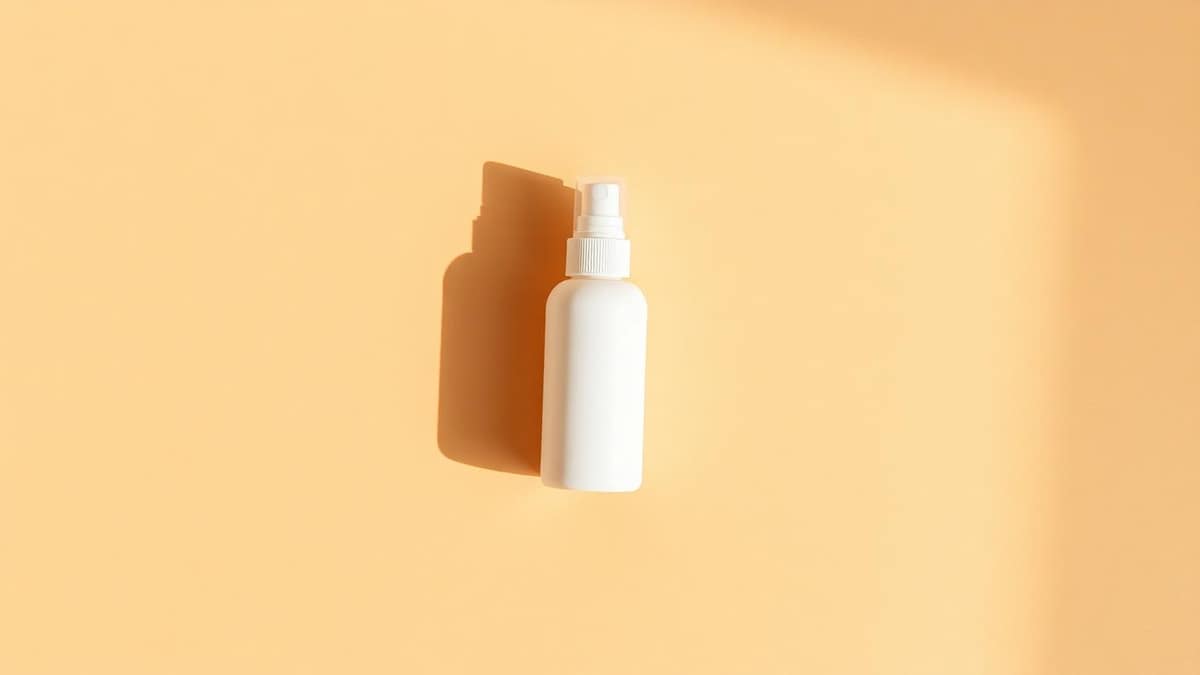
Some adults include dietary supplements within a broader wellness routine, but supplements are not substitutes for coping skills, therapy, medical evaluation, sleep, or supportive relationships. Anxiera Botanical Mist is a two-step botanical mist dietary supplement kit containing a dormant botanical isolate and an isotonic catalyst; the user pours and shakes to activate it. The dry kit ships shelf-stable, while the activated bottle should be refrigerated at 36–46°F and used within 30 days. This factual description does not establish that the product will change social anxiety or produce a particular result.
Evidence for supplements varies by ingredient, formulation, route of use, and individual factors. Review the label and follow all directions rather than using more than recommended. Before adding any supplement, consult a qualified clinician or pharmacist, especially if you are pregnant or breastfeeding, have a medical condition, use medication or other supplements, have allergies, or are considering a botanical mist product. Seek medical advice if irritation or another unwanted effect occurs. A supplement should not delay professional support when social distress is persistent, worsening, or interfering with daily life.
How to Know When It May Be Time for Therapy
Consider speaking with a licensed mental health professional when fear of social situations persists for months, causes substantial distress, or leads you to avoid work, school, relationships, healthcare, or routine responsibilities. Other signs include relying heavily on alcohol or other substances to socialize, experiencing frequent panic-like episodes, or spending significant time preparing for and recovering from interactions. You do not need to wait until symptoms become severe. A primary care clinician can also help assess physical symptoms, medication effects, sleep concerns, and other factors that may contribute.
Therapy can provide structured, individualized support. Approaches may include cognitive behavioral therapy, gradual exposure-based work, acceptance-based skills, or other methods selected with a clinician. Ask a prospective therapist about experience with social anxiety, treatment approach, costs, telehealth, and how progress is reviewed. Finding a good fit may take more than one conversation. If you have thoughts of harming yourself or feel unable to stay safe, seek immediate help through emergency services or call or text 988 in the United States.
Frequently asked
- What can I do right before a social event?
- Choose one manageable goal, confirm practical details, and use a brief routine with comfortable breathing and a realistic statement such as, “I can participate while feeling nervous.” Avoid trying to script every possible conversation.
- How can I stop overthinking during a conversation?
- Notice the overthinking without arguing with it, then redirect attention to the speaker’s words or a neutral physical sensation. Follow-up questions and brief pauses can help you stay engaged without expecting a perfect response.
- Does avoiding social situations make social anxiety worse?
- Avoidance can provide immediate relief while making future situations feel more threatening. Gradual, repeatable practice at a manageable level may help build confidence, but a therapist can guide the process when distress is intense.
- When should I seek therapy for social anxiety?
- Consider therapy when social fear is persistent, causes substantial distress, or restricts relationships, work, education, healthcare, or daily tasks. Professional support may also be appropriate if you rely on substances to cope or feel unable to practice these strategies safely on your own.
Social anxiety coping strategies work best when they emphasize preparation, outward attention, realistic expectations, and gradual practice. Progress means participating more flexibly, not eliminating every nervous feeling. If distress persists or limits daily life, consult a licensed mental health professional or other qualified clinician.
About the author
James Miller
Founder & Chief Executive Officer · Anxiera Labs, Inc.
James Miller is the founder and chief executive of Anxiera Labs, Inc., a Boston botanical supplement company he started in 2011 to work on the stability of plant-derived compounds in liquid formats.
Full profile and publications →These statements have not been evaluated by the Food and Drug Administration. Anxiera is a botanical dietary supplement and is not a drug. It is not intended to diagnose, treat, cure or prevent any disease. Speak with a licensed clinician about your symptoms.