
Can Anxiety Cause High Blood Pressure?
By James Miller · April 26, 2026 · 8 min read
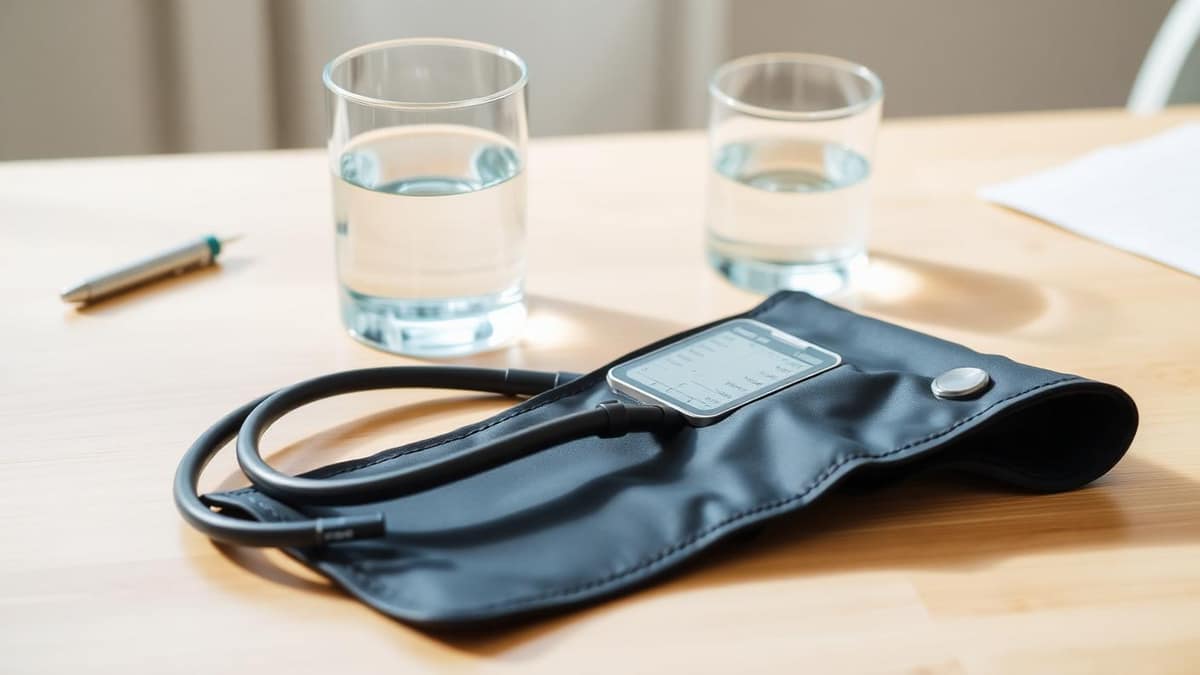
Anxiety can temporarily raise blood pressure, but careful measurement and clinical context are essential for understanding what a reading means.
Can Anxiety Cause High Blood Pressure Temporarily?
Can anxiety cause high blood pressure? In the short term, yes. When the brain perceives threat or uncertainty, the sympathetic nervous system prepares the body for action. Stress hormones can make the heart beat faster, narrow some blood vessels, and briefly increase blood pressure. This is a normal physiological response, not automatically evidence of chronic hypertension.
A tense appointment, difficult conversation, crowded commute, or sudden worry can produce a higher reading than usual. Once the stressful moment passes, blood pressure often moves toward its baseline. The size and duration of that change vary by person, which is why one reading cannot establish a pattern. Clinicians generally rely on repeated, properly taken measurements rather than an isolated number.
Stress and Blood Pressure Over Time
The relationship between stress and blood pressure becomes less simple over months and years. Research in cardiovascular medicine examines whether frequent activation of the stress response contributes directly to sustained hypertension. The evidence supports clear temporary effects, while the independent long-term role of anxiety remains more difficult to separate from sleep, genetics, age, medications, diet, activity, and other health factors.
Chronic stress may also shape behavior. Some people sleep less, move less, drink more alcohol, smoke, or rely on heavily salted convenience foods during demanding periods. Those patterns can influence cardiovascular health. For that reason, persistent anxiety and elevated blood pressure both deserve attention, even when one cannot be identified as the sole cause of the other.
Why Anxiety Heart Rate and Blood Pressure Differ
Anxiety heart rate changes are often easy to notice: pounding, fluttering, or a pulse that seems suddenly quick. Blood pressure is different. It reflects both the force of the heart's output and resistance within the blood vessels. Heart rate and blood pressure can rise together during stress, but they do not always move in parallel.
A rapid pulse does not prove that blood pressure is dangerously high, and high blood pressure often causes no obvious sensation. Palpitations can also arise from caffeine, dehydration, poor sleep, thyroid conditions, medications, or an abnormal rhythm. If a fast or irregular heartbeat is new, persistent, or accompanied by chest pain, fainting, severe shortness of breath, or neurological symptoms, seek prompt medical evaluation.
Recognizing Anxiety Physical Effects
Common anxiety physical effects include muscle tension, sweating, trembling, stomach discomfort, shallow breathing, headache, lightheadedness, and a heightened awareness of the heartbeat. These sensations can feel alarming. Worry about them may then intensify the stress response, creating a feedback loop in which symptoms and interpretation amplify one another.
Symptoms alone cannot reliably distinguish anxiety from a medical problem. Similar sensations may occur with cardiovascular, respiratory, endocrine, or neurological conditions. A licensed clinician can review timing, triggers, medical history, medications, and objective measurements. Consult a licensed clinician if symptoms recur, interfere with daily life, or leave you uncertain about their cause.
How to Measure Blood Pressure More Reliably
For a useful home reading, avoid exercise, nicotine, caffeine, and a large meal for roughly 30 minutes beforehand. Empty your bladder, sit quietly for about five minutes, keep your back supported, and place both feet flat on the floor. Use a validated upper-arm cuff of the correct size, with the arm supported near heart level.
Take readings at consistent times and follow your clinician's instructions regarding frequency. Two measurements separated by about one minute may be more informative than a single attempt. Record the values without repeatedly checking in response to fear, since compulsive measurement can increase distress and obscure the broader pattern. Bring the log and monitor to an appointment so a clinician can assess technique and interpret the results.
White-Coat Readings and Persistent Elevations
Some people have higher blood pressure in a medical setting than they do elsewhere, a pattern commonly called white-coat hypertension. Anticipation, unfamiliar surroundings, conversation, or concern about the result can contribute. The reverse pattern, normal clinic readings but elevated measurements outside the office, can also occur. Home or ambulatory monitoring may help clinicians distinguish these patterns.
Repeated elevations should not be dismissed as “just anxiety.” Current clinical evaluation may consider average readings, overall cardiovascular risk, family history, kidney health, pregnancy status, and other factors. Do not stop prescribed blood-pressure or mental-health medication because a reading appears stress-related. Medication changes require guidance from the prescribing clinician.
A Measured Approach to Calm and Cardiovascular Care
Steady routines can support both perceived calm and cardiovascular health. Evidence-informed options include regular physical activity appropriate to your health status, consistent sleep, balanced meals, moderated alcohol intake, less nicotine, and deliberate breathing or mindfulness practice. Cognitive behavioral approaches may help people examine threat-focused thoughts and respond differently to bodily sensations.
Some adults also explore non-sedating botanical supplements. Anxiera is a two-step botanical mist dietary supplement positioned as a non-sedating option in which many people describe feeling calmer within about 15 minutes, though experiences vary, without pills or intended grogginess. It is not a drug and is not intended to diagnose, treat, cure, or prevent anxiety, hypertension, or any disease. Discuss supplements with a licensed clinician, especially if you are pregnant, nursing, managing a condition, or taking medication.
When a Blood Pressure Reading Needs Urgent Attention
Follow the action plan provided by your clinician. As general guidance, a reading around 180/120 mm Hg or higher warrants waiting at least five minutes and measuring again carefully. If it remains that high, contact a healthcare professional promptly for instructions, even if you suspect stress contributed.
Call emergency services immediately when a very high reading occurs with chest pain, severe shortness of breath, weakness or numbness, confusion, fainting, vision changes, difficulty speaking, or another sudden severe symptom. Do not try to determine at home whether anxiety is responsible. In urgent situations, objective medical assessment matters more than finding a reassuring explanation.
Frequently asked
- Can anxiety cause a high blood pressure reading at the doctor?
- Yes. Anticipatory stress can temporarily raise blood pressure in clinical settings, sometimes called a white-coat effect. Repeated home or ambulatory measurements may help a clinician determine whether the elevation persists outside the office.
- Does anxiety cause permanent hypertension?
- Anxiety clearly can cause temporary increases, but it is not always the direct cause of sustained hypertension. Long-term blood pressure is shaped by many factors, so persistent elevations require clinical evaluation.
- How long can blood pressure stay high after anxiety?
- There is no universal duration because the response depends on the trigger, the individual, and surrounding health factors. If readings remain elevated after quiet rest or recur over time, record them and consult a licensed clinician.
- Should I keep checking my blood pressure during a panic episode?
- Repeated checking can intensify fear and may produce less representative readings. Unless your clinician has given different instructions, allow yourself to settle, measure with proper technique, and seek urgent care for severe symptoms or extremely high persistent readings.
Anxiety can temporarily elevate blood pressure and heart rate, but a single stress-related reading does not establish chronic hypertension. Measure carefully, look for patterns, and involve a licensed clinician when elevations or concerning symptoms persist.
About the author
James Miller
Founder & Chief Executive Officer · Anxiera Labs, Inc.
James Miller is the founder and chief executive of Anxiera Labs, Inc., a Boston botanical supplement company he started in 2011 to work on the stability of plant-derived compounds in liquid formats.
Full profile and publications →These statements have not been evaluated by the Food and Drug Administration. Anxiera is a botanical dietary supplement and is not a drug. It is not intended to diagnose, treat, cure or prevent any disease. Speak with a licensed clinician about your symptoms.