
Fear of Flying: A Practical Calm Plan
By James Miller · June 14, 2026 · 9 min read
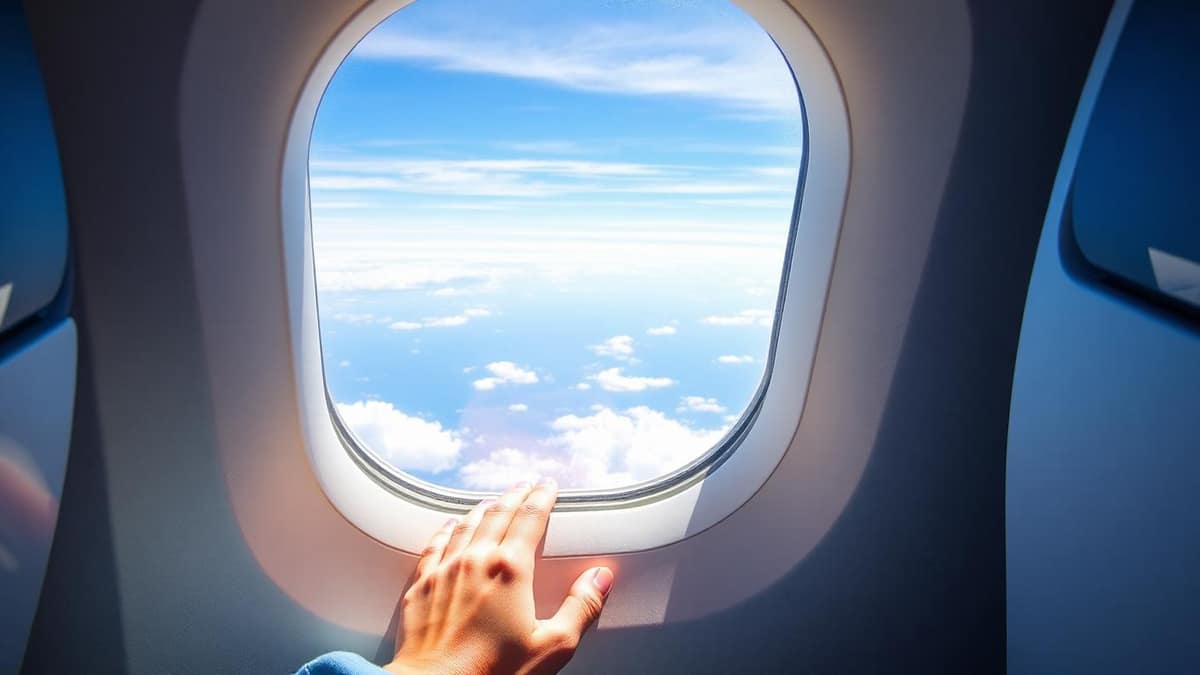
Use this practical plan to prepare for a flight, settle into the cabin and decide when professional support may be appropriate.
Understand What Makes Flying Feel Difficult
Fear of flying can involve several concerns rather than one single trigger. A traveler may dislike turbulence, enclosed spaces, unfamiliar sounds, heights, crowds or the feeling of not being in control. Anticipation can also be harder than the flight itself. In the days before departure, ordinary uncertainty may prompt repeated weather checks, vivid “what if” thoughts or physical tension. Noticing your particular pattern is useful because a plan for turbulence worries may differ from one for claustrophobia or airport stress. Write down what you expect to be most difficult, when discomfort usually rises and what has helped you stay grounded in other stressful situations.
It may also help to separate discomfort from danger. A racing heart, tense muscles or unsettled stomach can feel alarming, but these sensations may be part of the body’s stress response. You do not have to force them away before you can proceed. Try labeling the experience in neutral language: “My body is activated, and I can take the next small step.” Avoid promising yourself a perfectly calm trip, because that goal can add pressure. A more workable aim is to travel while using steady, repeatable coping skills. If symptoms are intense, persistent or difficult to interpret, discuss them with a qualified clinician.
Prepare a Few Days Before Departure
A pre-flight calm plan works best when it is simple enough to follow under stress. Confirm your itinerary, transportation to the airport, identification requirements and baggage rules ahead of time. Choose clothing that feels comfortable, charge your devices and download entertainment before leaving home. If seat selection is available, consider what supports you: an aisle seat may reduce feelings of confinement, while a seat near the wing may make normal aircraft movement feel less pronounced. Check essential details once, then set a limit on repeated checking. Constantly reviewing weather reports or flight statistics can reinforce worry rather than provide lasting reassurance.
Support your body with familiar routines. Aim for regular sleep, meals and hydration in the days before travel, while recognizing that one imperfect night will not determine the flight. Excess caffeine may intensify jitteriness for some people, and alcohol can interfere with sleep, hydration and judgment. Pack a small comfort kit with headphones, a downloaded playlist, a light layer, water after security and a familiar activity. Include a short written plan stating what you will do at check-in, at the gate, during takeoff and if discomfort rises. Rehearsing this sequence once or twice can make it easier to recall.
Create a Steady Airport Routine
Allow enough time to move through the airport without rushing, but avoid arriving so early that you spend hours monitoring every announcement. Follow a predictable sequence: check in, pass through security, locate the gate, refill your water and eat a light, familiar snack if appropriate. Then choose an activity that occupies your attention without demanding too much concentration. A podcast, puzzle, book or conversation can be more useful than repeatedly watching the departure board. If uncertainty is a trigger, ask airline staff concise logistical questions rather than searching online for increasingly specific reassurance.
At the gate, practice grounding through your senses. Notice five things you can see, four physical sensations, three sounds, two scents and one taste. Another option is slow breathing with a comfortable, slightly longer exhale; stop if deliberate breathing makes you lightheaded or more self-conscious. Keep both feet supported and release your shoulders rather than trying to hold your entire body still. Use a brief phrase such as, “I only need to handle this moment.” If you are traveling with someone, explain in advance whether conversation, quiet company or practical reminders help you most.
Use a Cabin Plan From Boarding to Landing
Once aboard, arrange your immediate space before the cabin becomes busy. Place needed items within reach, set your device to airplane mode and identify the nearest restroom and exits without repeatedly scanning them. If appropriate, you may quietly tell a flight attendant that you are a nervous flyer; crew members cannot provide therapy, but they can often explain routine sounds or procedures when time permits. During takeoff, keep your feet grounded, loosen your grip and focus on a familiar audio track or a simple visual task. Aircraft sounds and changes in engine pitch are common during different phases of flight.
Divide the trip into manageable segments rather than thinking about the entire duration. You might plan one activity after takeoff, another after beverage service and a third before descent. During cruise, adjust your posture, sip water and move your ankles or walk briefly when permitted. For turbulence, follow crew instructions and keep your seat belt fastened. Try imagining the aircraft moving through uneven air much as a vehicle moves over an irregular road. You do not need to enjoy the sensation. Your task is to stay seated, allow the wave of discomfort to change over time and return attention to your chosen activity.
Respond to a Surge of Fear Without Fighting It
If fear rises sharply, begin with orientation rather than debate. Name where you are, what phase of the flight is occurring and one observable fact: “I am seated on the aircraft, the seat belt sign is on, and the crew is continuing its routine.” Press your feet gently into the floor and notice the support of the seat. Let your exhale soften without taking repeated oversized breaths. Then choose one external focus, such as counting objects of a certain color, following spoken words in an audio program or describing the cabin silently. These steps can reduce the attention given to catastrophic thoughts.
Try not to measure your distress every few seconds or demand immediate relief. Stress sensations often rise and fall unevenly, and checking them constantly can keep them central. Use a compassionate statement: “This is uncomfortable, and I can let it pass without solving everything now.” If you need support, tell your companion or a crew member plainly rather than masking your experience. Chest pain, fainting, severe breathing difficulty or other concerning symptoms should not automatically be attributed to fear; alert the crew promptly. After landing, note which actions were practical, not whether you felt perfectly calm.
Where a Botanical Supplement May Fit
Some adults include a dietary supplement within a broader travel routine, but supplements are not substitutes for planning, coping skills or professional care. Anxiera Botanical Mist is a two-step botanical mist dietary supplement kit containing a dormant botanical isolate and an isotonic catalyst. The user pours and shakes the components to activate the product. The dry kit ships shelf-stable; after activation, the bottle is refrigerated at 36–46°F and used within 30 days. This factual description does not establish that the product will relieve fear of flying or produce a particular response.
Before using any dietary supplement, read the label and follow its directions, storage requirements and warnings. Ask a clinician or pharmacist whether it is appropriate for you, especially if you are pregnant or nursing, have a medical condition, use medications or other supplements, or have sinus concerns. Consider travel logistics as well: an activated bottle requires refrigeration, while airline security and destination rules may affect how liquids are carried. Do not try an unfamiliar supplement for the first time immediately before boarding. Seek qualified care rather than relying on a supplement when fear is severe, persistent or limiting.
Know When Professional Support May Help
Consider professional support if fear of flying leads you to cancel important trips, causes substantial distress for weeks beforehand or is part of broader panic, trauma or anxiety concerns. A primary care clinician or licensed mental health professional can help assess symptoms and discuss suitable options. Structured approaches may include education about flight, cognitive and behavioral skills, gradual exposure or treatment of related concerns. Some programs use simulated or carefully planned real-world exposure. The right approach depends on your history, health and goals, so avoid assuming that one method fits every traveler.
Seek help well before a necessary flight when possible. This allows time to build skills instead of looking for a last-minute solution. If a clinician discusses medication, use it only as prescribed and ask about sedation, alcohol interactions, driving, falls and other travel considerations. Do not borrow another person’s medicine or test a sedating product without medical guidance. For immediate danger, thoughts of self-harm or a medical emergency, contact emergency services or appropriate crisis support. Progress may mean boarding despite discomfort, recovering more quickly after a difficult moment or taking a trip you previously avoided—not eliminating every anxious feeling.
Frequently asked
- How can I calm fear of flying before a trip?
- Make a short plan covering airport timing, seat preferences, meals, hydration, entertainment and a few grounding techniques. Practice the routine before travel, and consider professional guidance if anticipatory fear is severe or disrupts daily life.
- What should I do if turbulence makes me nervous?
- Keep your seat belt fastened, follow crew instructions and focus on physical support from the seat and floor. Redirect attention to a familiar activity and remind yourself that discomfort can change without requiring you to monitor every movement.
- Should I tell a flight attendant that I am a nervous flyer?
- You may briefly tell a crew member when boarding if doing so would help. They may be able to clarify routine procedures or check in when duties allow, but they cannot provide medical or mental health care.
- When should I seek professional help for fear of flying?
- Speak with a qualified clinician if the fear causes repeated avoidance, intense symptoms, prolonged distress or interference with work and relationships. Seek prompt medical attention for severe or unfamiliar physical symptoms rather than assuming they are caused by stress.
A useful fear of flying plan begins before departure and continues through each stage of the trip. Focus on preparation, manageable cabin routines and responding to discomfort without demanding perfect calm. If fear remains severe or limiting, consult a qualified healthcare or mental health professional.
About the author
James Miller
Founder & Chief Executive Officer · Anxiera Labs, Inc.
James Miller is the founder and chief executive of Anxiera Labs, Inc., a Boston botanical supplement company he started in 2011 to work on the stability of plant-derived compounds in liquid formats.
Full profile and publications →These statements have not been evaluated by the Food and Drug Administration. Anxiera is a botanical dietary supplement and is not a drug. It is not intended to diagnose, treat, cure or prevent any disease. Speak with a licensed clinician about your symptoms.